
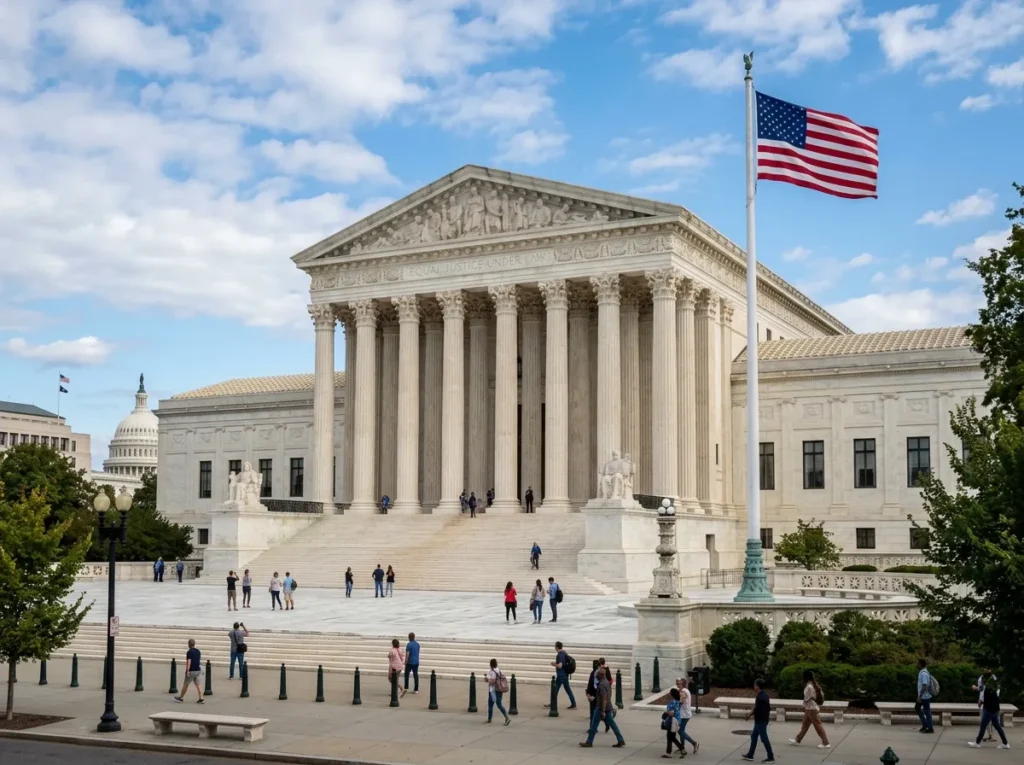
Introduction: Understanding the Supreme Court’s Impact on Family & Immigration Law
As we move into 2026, the U.S. Supreme Court is expected to hear a series of cases that could significantly affect both family law and immigration law. With legal experts keeping a close watch, it’s vital to understand the potential implications these decisions may have on individuals and families. The outcome of these cases may reshape key areas such as child custody, citizenship rights, deportation laws, and more. For the latest updates on these cases, you can visit the Supreme Court’s official page for news and updates on major cases.
The Importance of the U.S. Supreme Court in Shaping Family and Immigration Law
The U.S. Supreme Court holds immense power in interpreting the Constitution and establishing legal precedents. While Congress passes laws, the Court has the authority to review them and determine whether they align with constitutional rights. In doing so, the Court’s rulings set binding precedents that affect millions of families and individuals in the United States. In recent years, family and immigration laws have been a hotbed of controversy, and the decisions made by the Court will continue to have lasting effects.
Key Family Law Cases to Watch in 2026

Family law is an essential area that governs matters like divorce, child custody, adoption, and domestic violence. In 2026, the Supreme Court is set to review several cases that could fundamentally change how courts handle these sensitive issues. Below are some notable family law cases expected to be decided:
1. Child Custody and Parental Rights
A major case concerning child custody and parental rights will be under review by the Supreme Court in 2026. The outcome could potentially redefine the rights of non-biological parents in custody disputes, particularly in situations involving surrogacy or same-sex couples. This case will influence how family courts interpret parental rights and how they balance the best interests of the child with the legal rights of each parent.
This case could have major implications for families where both biological and non-biological parents are involved in custody disputes. While the family courts currently use a “best interests of the child” standard, this case may alter how those decisions are made, potentially impacting parents’ legal recognition and visitation rights.
2. Divorce Laws and Asset Division
Another significant case revolves around the division of assets during a divorce. With evolving societal norms, the Court may set a precedent for how property division should occur, especially in marriages involving significant wealth disparities. This case may prompt a reassessment of the “community property” approach in favor of a more equitable model for couples at different stages in life.
Current property division laws are based on the principle of equal distribution. However, the Court could modify these laws to account for the fact that couples today are not just dividing physical assets but also intellectual property, business interests, and digital assets. A decision in this case could provide clarity on how these assets should be divided fairly in divorce settlements.
Immigration Law: Key Cases to Monitor
Immigration law continues to be a source of debate in the United States. Several cases pending in the Supreme Court have the potential to impact the lives of millions of immigrants living in the U.S. or seeking to enter the country. The following cases could bring about major changes in how the government handles deportations, asylum applications, and visa rules:
1. Birthright Citizenship and Immigrant Families
One of the most contentious areas in immigration law is birthright citizenship, specifically regarding children born to undocumented immigrants. The Supreme Court may soon rule on whether these children are entitled to citizenship under the 14th Amendment. This decision could have profound implications for immigrant families, particularly those with mixed-status members.
If the Court rules against birthright citizenship, it could significantly impact the status of children born in the U.S. to undocumented parents. These children, who would otherwise be U.S. citizens under current law, may face challenges related to their citizenship status, potentially affecting their education, healthcare, and employment opportunities.
2. DACA and Deferred Deportation Relief
Deferred Action for Childhood Arrivals (DACA) remains a highly contested issue, with the Court slated to hear arguments about its future. The program allows undocumented individuals brought to the U.S. as children to remain in the country and work legally. A decision in this case could directly affect the lives of over 700,000 DACA recipients and influence the broader immigration debate.
The future of DACA remains uncertain, and its termination could result in the deportation of many individuals who have called the U.S. home for most of their lives. This case will be one of the most closely watched in the 2026 term, as its outcome could drastically alter the lives of many young adults who have grown up in America and know no other country.
How These Supreme Court Cases Could Affect You

The outcomes of these cases may drastically change the legal landscape for families and immigrants in the United States. For instance, a decision on birthright citizenship could affect the eligibility of millions of children for U.S. citizenship, potentially altering their futures. Similarly, rulings in family law cases could redefine the legal rights of parents, spouses, and children, making it essential for individuals to stay informed about these developments.
If you are a parent involved in a custody dispute or considering divorce, understanding these rulings could help you navigate potential changes to the law. Similarly, if you are an immigrant or have family members who are undocumented, staying updated on these immigration cases is crucial in understanding your legal standing and options.
Why It’s Crucial to Stay Updated on Supreme Court Cases
Legal outcomes in these Supreme Court cases could have far-reaching effects on individuals, businesses, and communities. The Court’s decisions will not only affect the interpretation of laws but also set the framework for future legal challenges. Staying updated on these cases is critical, especially for those in family law disputes or navigating the complex U.S. immigration system. Consulting with an attorney who is knowledgeable about these upcoming rulings can help you understand your rights and options.
At Your Legal Lady, we are committed to staying up-to-date with the latest legal developments and offering our clients expert advice on how to proceed in the ever-changing legal landscape. Stay informed by visiting the American Immigration Lawyers Association for further immigration case updates.
What Can You Do Now?
If you are involved in a case that could be influenced by these Supreme Court decisions, it’s essential to seek legal advice. A skilled lawyer can help you navigate the intricacies of family or immigration law and provide guidance based on potential legal outcomes. Contact Your Legal Lady today for a consultation to understand how these cases may affect your case and your future.
Conclusion: What to Expect from the Supreme Court in 2026
As we approach 2026, the U.S. Supreme Court’s rulings in these critical family and immigration law cases will undoubtedly shape the future of U.S. legal practice. Whether you are dealing with divorce, child custody, or immigration issues, understanding these potential rulings can help you prepare for what’s to come. Keep an eye on these cases, and if you need assistance, don’t hesitate to contact a trusted attorney who can guide you through the evolving legal landscape.
Stay informed and proactive in your legal matters, especially as the Court’s rulings can have immediate and lasting effects. With the right legal guidance, you can confidently navigate the complexities of family and immigration law in 2026 and beyond. To learn more about your rights in family law, visit our Family Law Guide or explore our insights on Immigration Law.